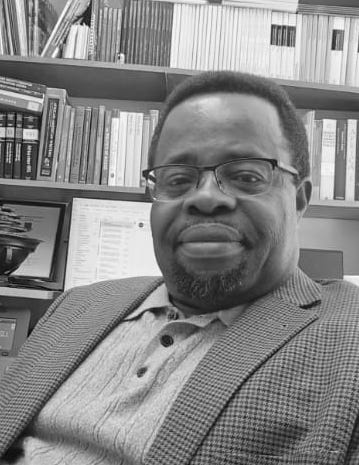
Professor Apollos Nwauwa Reflects on Nigerian Leadership, Economic Development and His Contributions to Igbo Studies
Professor Apollos Okwuchi Nwauwa, a distinguished scholar of history and global Black studies at Bowling Green State University in Ohio, United States, has offered a critical assessment of Nigeria's leadership culture, arguing that poor governance, corruption and weak institutions continue to undermine the country's economic and social development.
In an extensive interview published in the October 15, 2026 edition of The Onion, Professor Nwauwa examined the relationship between political leadership, democratic accountability and national progress. He also reflected on his academic journey, his engagement with Nigerian diaspora communities and his contributions to the advancement of Igbo scholarship through the Igbo Studies Association (ISA).
The interview provides insights into the experiences of an internationally respected scholar whose work and professional service have helped advance African and Igbo studies beyond the continent.
Leadership, Governance and Nigeria's Development Challenges
Speaking under the headline, "Nigerian Leadership Style Causes Economic Retardation," Professor Nwauwa argued that Nigeria's development challenges cannot be separated from the character of its political leadership and the institutions responsible for governance.
He expressed concern about corruption, the misuse of public resources, political patronage and the failure of successive administrations to translate Nigeria's considerable human and natural resources into meaningful improvements in citizens' lives.
Drawing comparisons with governance practices in the United States and other countries, he emphasized the importance of institutional accountability, the rule of law and effective public oversight.
According to Professor Nwauwa, strong institutions must be capable of holding public officials accountable regardless of their political affiliations or positions.
He also reflected on the role of citizens in sustaining democratic governance, arguing that elections should provide opportunities for voters to assess leaders based on performance, integrity and their contributions to national development.
His observations underscore the need for a political culture in which public service is understood as a responsibility to citizens rather than an opportunity for personal enrichment.

A Distinguished Career in African and Global Black Studies
Beyond his commentary on governance, the interview offers a revealing account of Professor Nwauwa's academic and professional journey.
Originally from Ekwe in present-day Imo State, Nigeria, Professor Nwauwa traced his educational development from his early schooling in Nigeria to his advanced studies and eventual academic career in North America.
He attended the University of Benin and later pursued postgraduate studies in Canada, including doctoral studies at Dalhousie University.
His academic journey subsequently took him to the United States, where he established a distinguished career at Bowling Green State University in Ohio.
Over the years, he has contributed to teaching, research and scholarship in African history, global Black studies and related fields. His academic interests and professional activities reflect a continuing commitment to expanding knowledge of African experiences, histories and identities.
His career also illustrates the contributions that African scholars in the diaspora continue to make to international academic institutions and intellectual discourse.
Advancing Igbo Scholarship Through the Igbo Studies Association
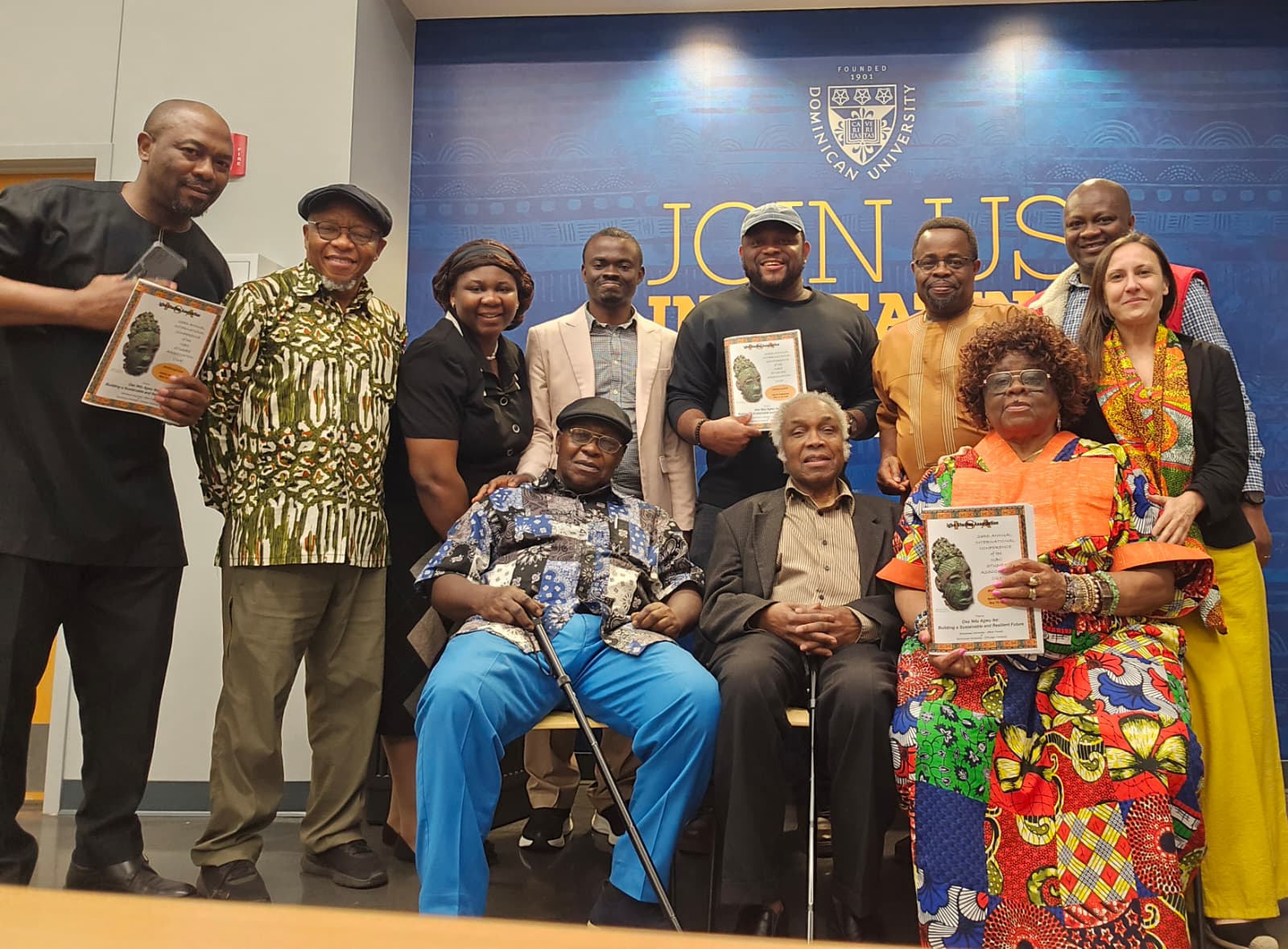
Of particular significance to members of the Igbo Studies Association is Professor Nwauwa's reflection on his involvement in the organization and its scholarly activities.
Professor Nwauwa, who previously served as President of the Igbo Studies Association, discussed his contributions to the association's efforts to promote research, scholarship and intellectual engagement on Igbo history, culture and society.
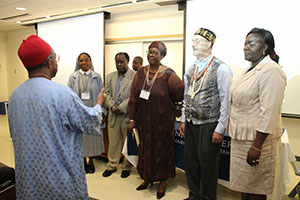
He recalled his involvement in the association's early conference activities, including the participation of the late Senator Uche Chukwumerije, who delivered a keynote address at an ISA conference in the United States in 2010.
The occasion represents an important example of the association's engagement with scholars, public intellectuals and prominent figures whose work and experiences contribute to conversations about Igbo identity, history and development.
Professor Nwauwa's service to ISA forms part of his broader commitment to creating platforms for academic exchange and strengthening connections among scholars interested in Igbo studies across the world.
Through its conferences, scholarly networks and intellectual activities, ISA continues to provide opportunities for researchers and academics to investigate the historical experiences, cultural heritage and contemporary challenges of Igbo communities.
His reflections offer a valuable reminder of the role that scholarly associations play in preserving intellectual traditions, encouraging interdisciplinary dialogue and developing new generations of researchers.
The Nigerian Diaspora and National Development
Another important theme in the interview is the role of Nigerians living abroad in the country's development.
Drawing on his extensive experience in North America and his engagement with diaspora organizations, Professor Nwauwa discussed the contributions that Nigerians abroad can make through scholarship, professional expertise, civic engagement and institutional partnerships.
He reflected on his participation in diaspora initiatives and professional associations, illustrating the opportunities available for Nigerians outside the country to remain connected to their communities of origin.
His remarks also pointed to the importance of creating an environment in Nigeria where knowledge, expertise and professional accomplishments can contribute meaningfully to institutional and economic development.
For academic organizations such as the Igbo Studies Association, these discussions have particular relevance. International scholarly networks can facilitate collaborations, promote research and strengthen connections between institutions in Africa and the diaspora.
Empowerment, Citizenship and Institutional Responsibility
Professor Nwauwa also challenged conventional political understandings of empowerment.
In his assessment, genuine empowerment should extend beyond political handouts, patronage and temporary assistance. It should create sustainable opportunities through education, employment, economic participation and institutional development.
He argued that political leaders have a responsibility to establish conditions in which citizens can become productive and self-reliant.
The interview further explored the relationship between public expectations, political accountability and Nigeria's democratic experience.
Professor Nwauwa encouraged greater civic awareness and argued that citizens must become more discerning in evaluating political promises and the performance of elected officials.
These observations connect to broader scholarly debates about governance, citizenship, social transformation and development in contemporary Africa.
Scholarship, Public Engagement and the Future of Nigeria
Professor Nwauwa's interview demonstrates how academic scholarship and public engagement can intersect in addressing contemporary social and political questions.
His reflections draw on decades of experience as a historian, educator, scholar and participant in international academic and diaspora organizations.
For the Igbo Studies Association, his career and service to the organization illustrate the contributions of scholars who combine research and teaching with broader commitments to cultural understanding, institutional development and public discourse.
As Nigeria continues to confront questions of governance, economic transformation and democratic accountability, perspectives such as those offered by Professor Nwauwa provide opportunities for reflection and informed dialogue.
His interview also reinforces the value of sustaining institutions that promote scholarship, preserve historical knowledge and encourage intellectual exchanges across national boundaries.
The Igbo Studies Association recognizes Professor Nwauwa's contributions to the development of Igbo scholarship and his longstanding engagement with academic and diaspora communities.
Source: Interview with Professor Apollos Okwuchi Nwauwa, “Nigerian Leadership Style Causes Economic Retardation,” The Onion, October 15, 2026, pages 3–4.
The views expressed by Professor Nwauwa in the original interview are his own and do not necessarily represent the official positions of the Igbo Studies Association.

Add a Comment
Comments are reviewed before publication to protect the site from spam.