Egwu Onwa at ISA 2026: A Living Night of Proverbs, Idioms, and Cultural Wisdom
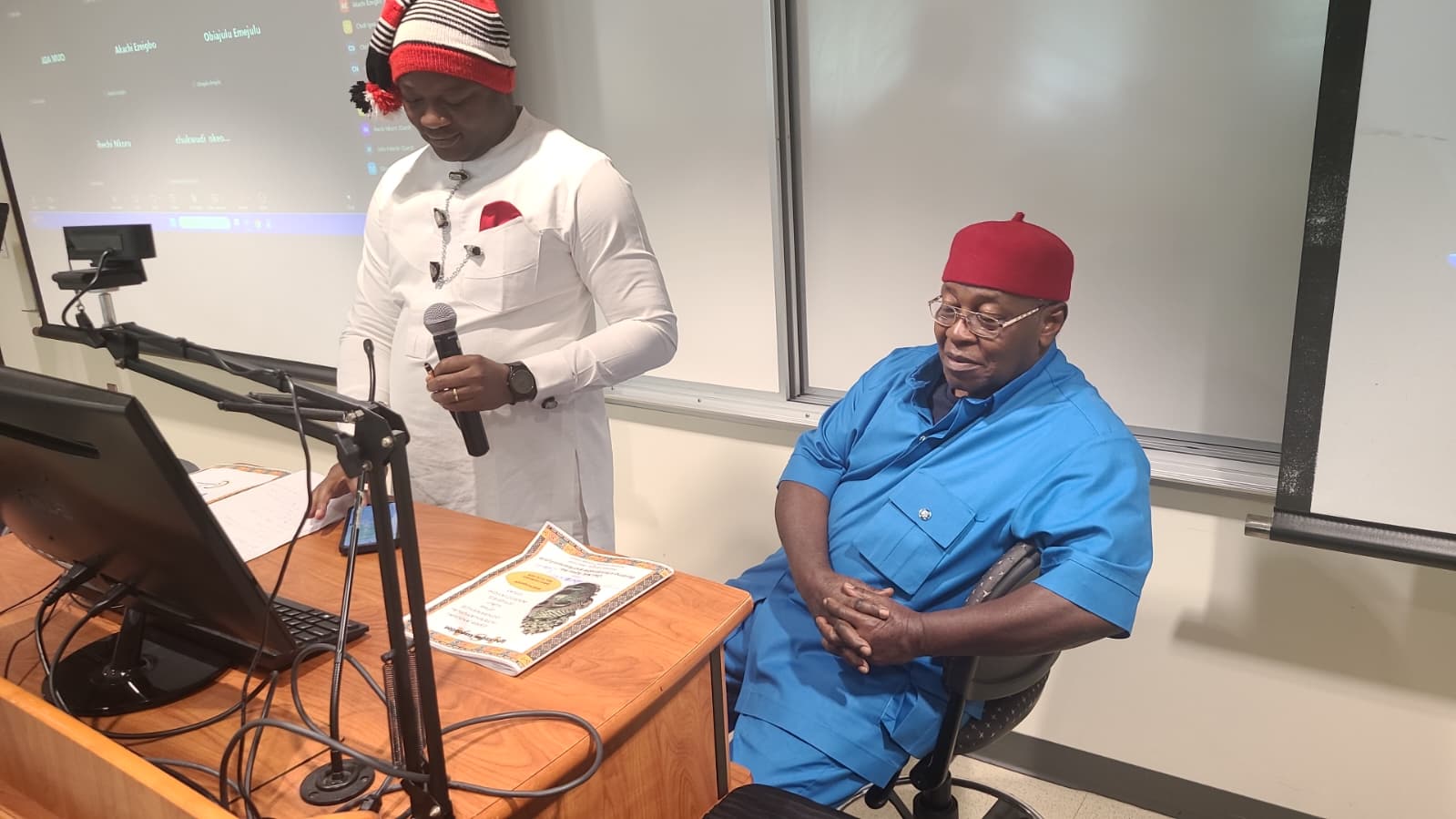
The Igbo Studies Association Conference continued with a lively and culturally rich plenary session dedicated to Egwu Onwa, the traditional moonlight gathering where stories, proverbs, idioms, parables, humour, and communal wisdom come alive.
Held under the theme “Egwu Onwa (Moonlight Games): Proverbs, Idioms, and Parables,” the session recreated the atmosphere of an Igbo communal evening, where hierarchy gives way to participation, and everyone becomes part of the shared cultural circle. The moderator, Baldwin Chika Anyasodo of Alvan Ikoku Federal University of Education, Owerri, invited participants to contribute freely in both Igbo and English, encouraging an open exchange of memory, interpretation, and cultural knowledge.
The session began with a reminder that Egwu Onwa is not merely entertainment. It is a space of teaching, reflection, and cultural transmission. In the traditional setting, moonlight gatherings bring together children, elders, storytellers, singers, and community members. Through play, proverb, song, and story, younger generations learn values, social expectations, cautionary lessons, and the deeper meanings embedded in Igbo language.
A major thread in the discussion was the role of Igbo proverbs as cultural philosophy. Participants reflected on how proverbs reveal the structure of Igbo thought, especially around respect, maturity, responsibility, equity, wisdom, and communal recognition. One speaker emphasized that in Igbo society, the idea is often less about absolute equality and more about equity—giving each person the recognition, respect, and responsibility appropriate to their role, contribution, age, or experience.
The session also explored how proverbs function as social mirrors. They show how Igbo communities understand leadership, family life, labour, conflict, maturity, and moral conduct. Examples shared during the conversation pointed to the importance of recognizing elders, listening to those with wisdom, consulting people with special knowledge, and understanding that every person has a gift or role within the community.
Participants contributed proverbs and interpretations from different Igbo-speaking areas, demonstrating the richness and regional variety of Igbo oral tradition. Some proverbs focused on maturity and experience; others addressed hidden danger, family relations, public conduct, generosity, humility, and the consequences of ignoring wise counsel. The conversation moved naturally between humour and seriousness, reminding everyone that Igbo oral tradition often teaches through wit, metaphor, surprise, and laughter.
One memorable point from the session was that proverbs are not just decorative language. They are tools of communication, persuasion, correction, and interpretation. In moments of conflict or important decision-making, proverbs can clarify meaning, warn against danger, soften criticism, or strengthen an argument. They carry the authority of collective memory.
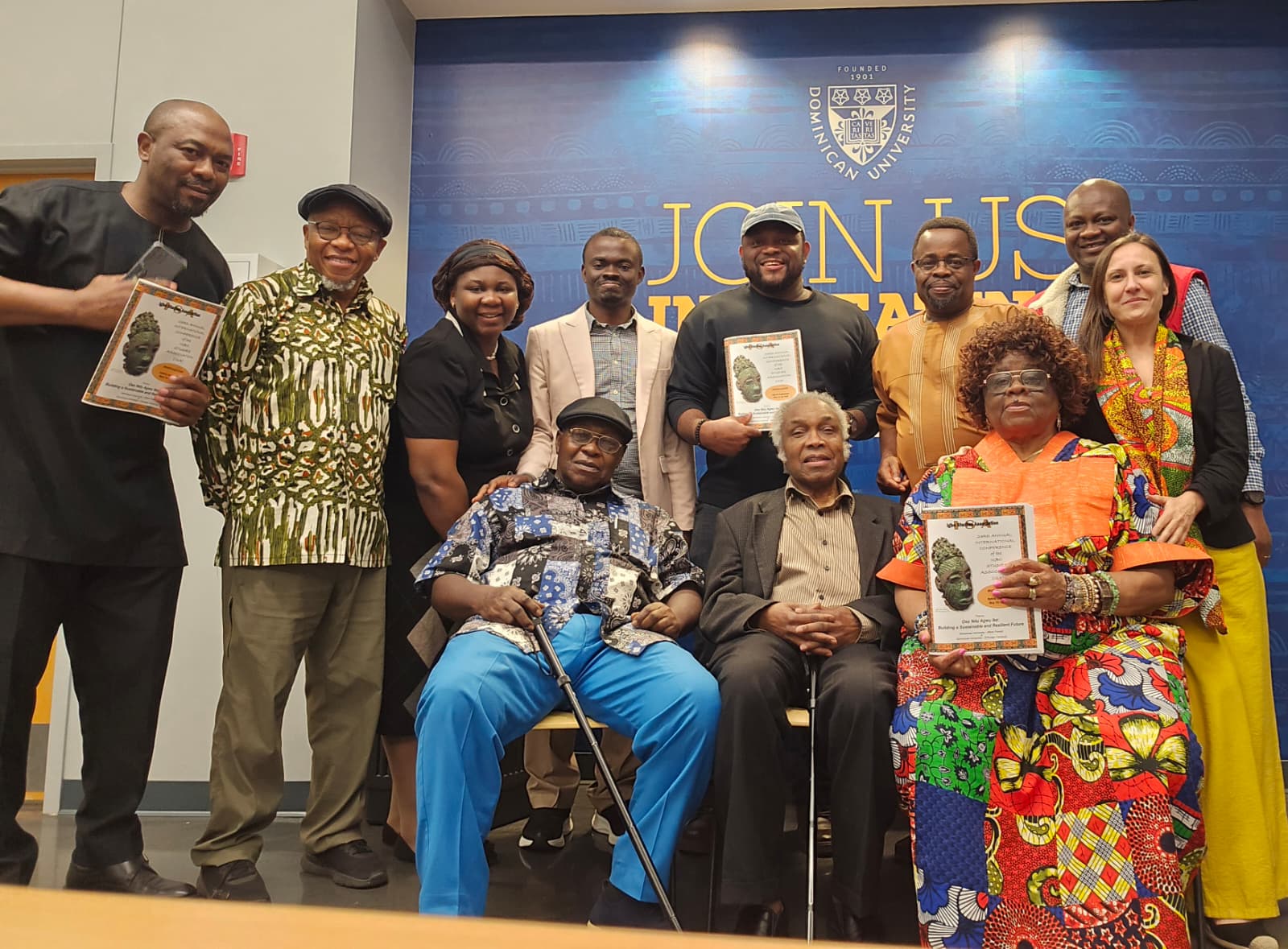
The session also showed the importance of preserving Igbo oral forms in the diaspora. As participants joined both in person and online, Egwu Onwa became a bridge between homeland and diaspora, between elders and younger scholars, and between traditional oral practice and contemporary academic reflection. The gathering demonstrated that Igbo language and culture remain vibrant when they are spoken, shared, debated, translated, and performed.
By the end of the session, Egwu Onwa had become more than a conference item. It was a living archive of Igbo wisdom. It reminded participants that language carries history, that proverbs preserve philosophy, and that communal storytelling remains one of the most powerful ways to keep culture alive.
The Igbo Studies Association continues to create spaces where scholarship and lived cultural practice meet. This plenary session was a beautiful example of that mission: bringing people together not only to study Igbo culture, but to experience it.


Add a Comment
Comments are reviewed before publication to protect the site from spam.