ISA 23rd Annual International Conference Opens with a Powerful Roundtable on Igbo Kingship in the Diaspora
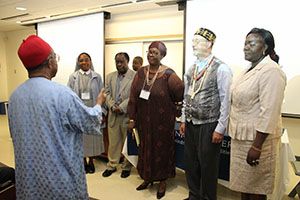
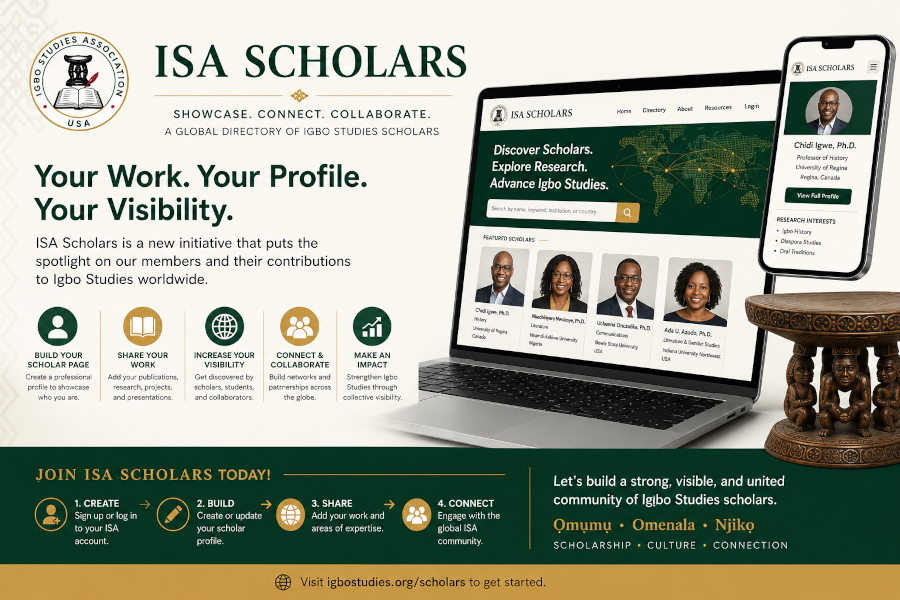
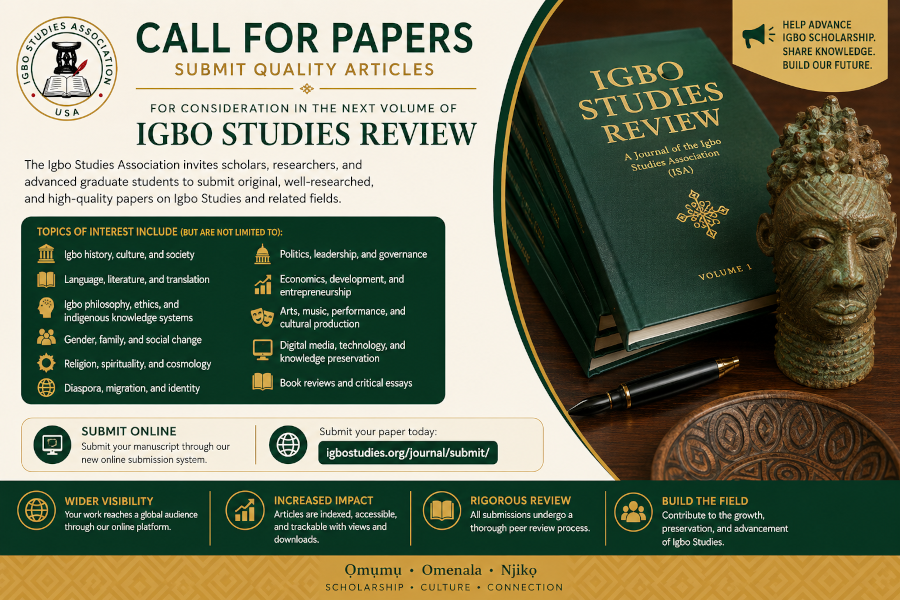
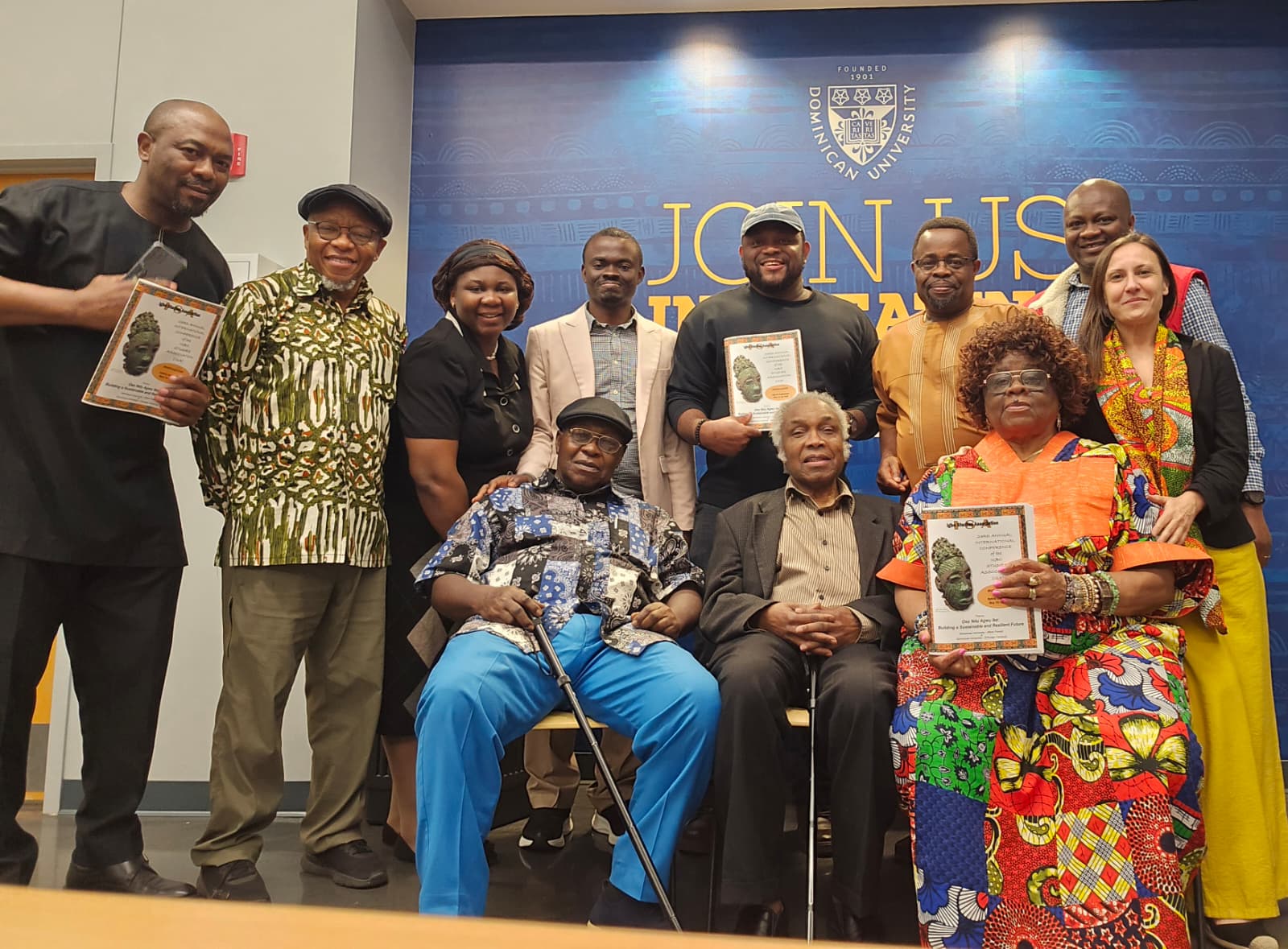
The 23rd Annual International Conference of the Igbo Studies Association opened at Dominican University, River Forest Campus, with a rich and thought-provoking program that brought together scholars, community leaders, students, and participants from across the world.
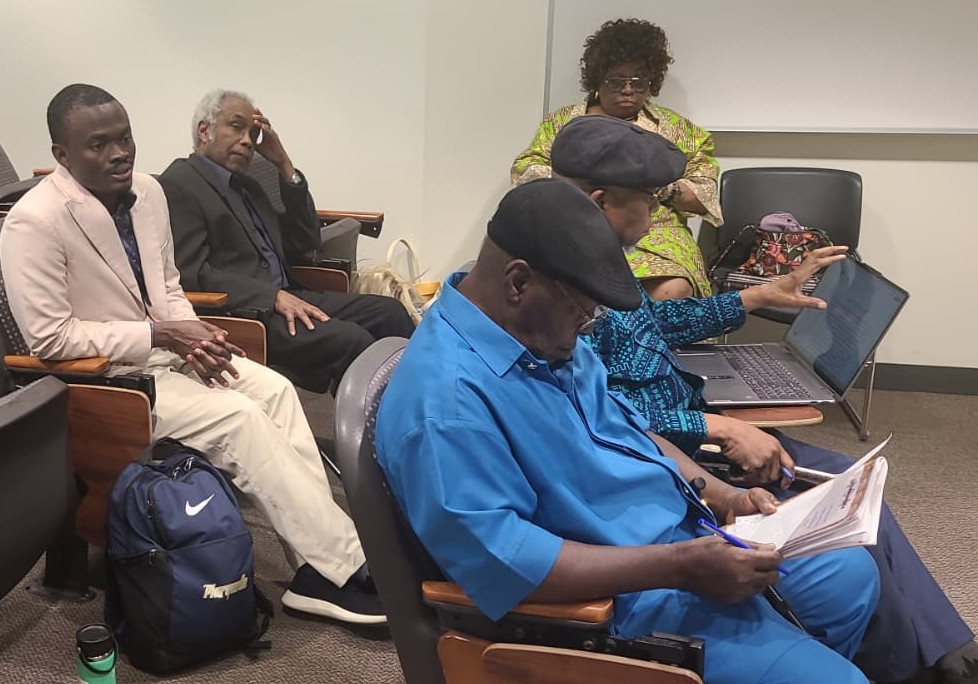
Following the opening plenary session, the conference moved into one of its most anticipated discussions: the Special ISA Executive Roundtable on the theme “Igbo Kingship and Controversies in the Diaspora.” The session took place in Parmer 108 and featured a distinguished panel of scholars, including Prof. Apollos Nwauwa, Prof. Akachi Ezeigbo, Prof. Chima Korieh, Prof. Baldwin Chika Anyasodo, Prof. Ijeoma Nwajiaku, and Prof. Nkechinyere Nwokoye.
The discussion examined the growing debates around the adoption of kingship titles, chieftaincy practices, and cultural leadership structures among Igbo communities outside Nigeria. Participants reflected on the historical, cultural, political, and social dimensions of the issue, asking whether diaspora kingship strengthens community identity or risks reproducing forms of authority that are not fully rooted in Igbo republican traditions.
One of the major points raised was that Igbo communities, both at home and abroad, have long relied on associations and community leadership structures for mutual support. Speakers recalled how Igbo associations historically helped families in moments of crisis, including bereavement, hospital needs, financial hardship, and social integration. In this sense, leadership within diaspora communities was recognized as valuable, especially when it is grounded in service, accountability, and communal care.
However, the roundtable also drew attention to the dangers of excessive pomp, competition, and the personalization of power. Several contributors argued that what begins as cultural organization can become problematic when leadership titles are transformed into claims of political authority, diplomatic status, or unchecked influence over community affairs. The concern was not simply the existence of leadership, but the way some titles are performed, expanded, and used to command prestige.
A recurring theme was the need to distinguish between service-based leadership and monarchical imitation. Some participants suggested that Igbo diaspora communities might benefit more from collective leadership structures, such as cultural service committees, rather than titles that appear to concentrate authority in one individual. This suggestion resonated with the broader Igbo tradition of decentralization, consultation, and resistance to absolute power.
The conversation also raised questions about the role of traditional rulers from Igbo land who visit diaspora communities and confer chieftaincy titles. Some speakers observed that while traditional councils have criticized the rise of diaspora kingship, some traditional rulers may also be contributing to the problem by granting titles abroad without sufficient cultural grounding, community accountability, or proper verification of the recipients.
Another important contribution focused on education, integration, and self-actualization in the diaspora. A participant speaking from Côte d’Ivoire noted that some Igbo migrants organize themselves into ethnic communities because they face language barriers, limited access to formal structures, and challenges integrating into host societies. In such contexts, cultural associations can provide belonging and practical support. Yet the same conditions may also create opportunities for individuals to seek recognition through titles and symbolic authority.
The panel further connected the issue to broader questions of Igbo history. Contributors discussed the Igbo preference for decentralized authority, the historical memory of colonial indirect rule, the emergence of warrant chiefs, and the continuing tension between republican traditions and imported or exaggerated forms of kingship. Some speakers called for deeper research into Igbo political history, including the meanings attached to names, titles, and concepts of authority.
Toward the end of the session, participants widened the discussion to include urgent questions about insecurity, homeland protection, and the future of Igbo communities. One contributor reminded the audience that debates over titles should not distract from larger existential concerns facing Igbo people and other communities in Nigeria, including insecurity, displacement, and threats to ancestral homelands.
The roundtable concluded with a call for continued reflection, possible documentation of the key points raised, and a broader conversation on how Igbo communities in the diaspora can preserve culture without distorting it. The central message was clear: cultural leadership remains important, but it must be rooted in humility, service, education, accountability, and respect for Igbo communal values.
As the ISA 23rd Annual International Conference continues, this opening roundtable has already set a strong intellectual tone. It demonstrated the Association’s commitment to engaging difficult questions with seriousness, openness, and scholarly depth, while keeping Igbo culture, identity, and community life at the centre of global conversation.

Add a Comment
Comments are reviewed before publication to protect the site from spam.